Subtitle localization is one of the highest-volume, most repetitive operations in any modern media supply chain, and historically one of the slowest. Distributors routinely need the same piece of content delivered in dozens of languages, and every additional locale stretches schedules, costs, and operational risk. When a customer asked us to imagine what a faster, more cost-effective subtitle workflow could look like without giving up editorial quality, SDVI Technical Account Manager Ryan Eldridge used SDVI Rally to build a proof-of-concept that brings AI translation, automated QC, and human review together in a single orchestrated pipeline.
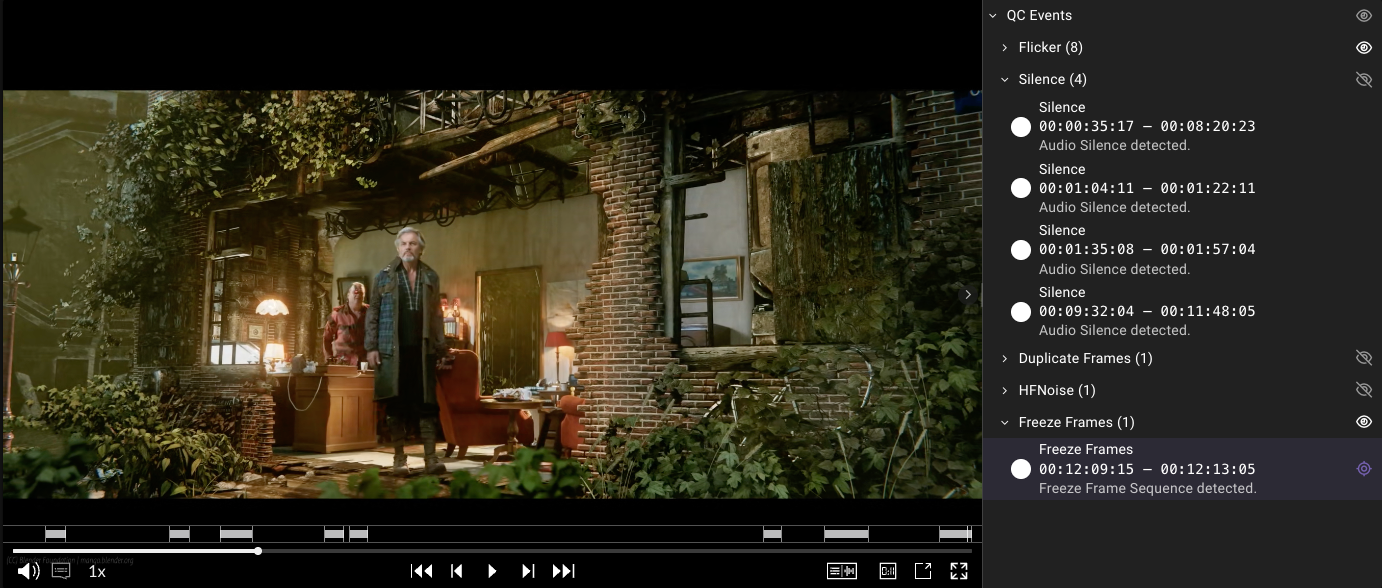
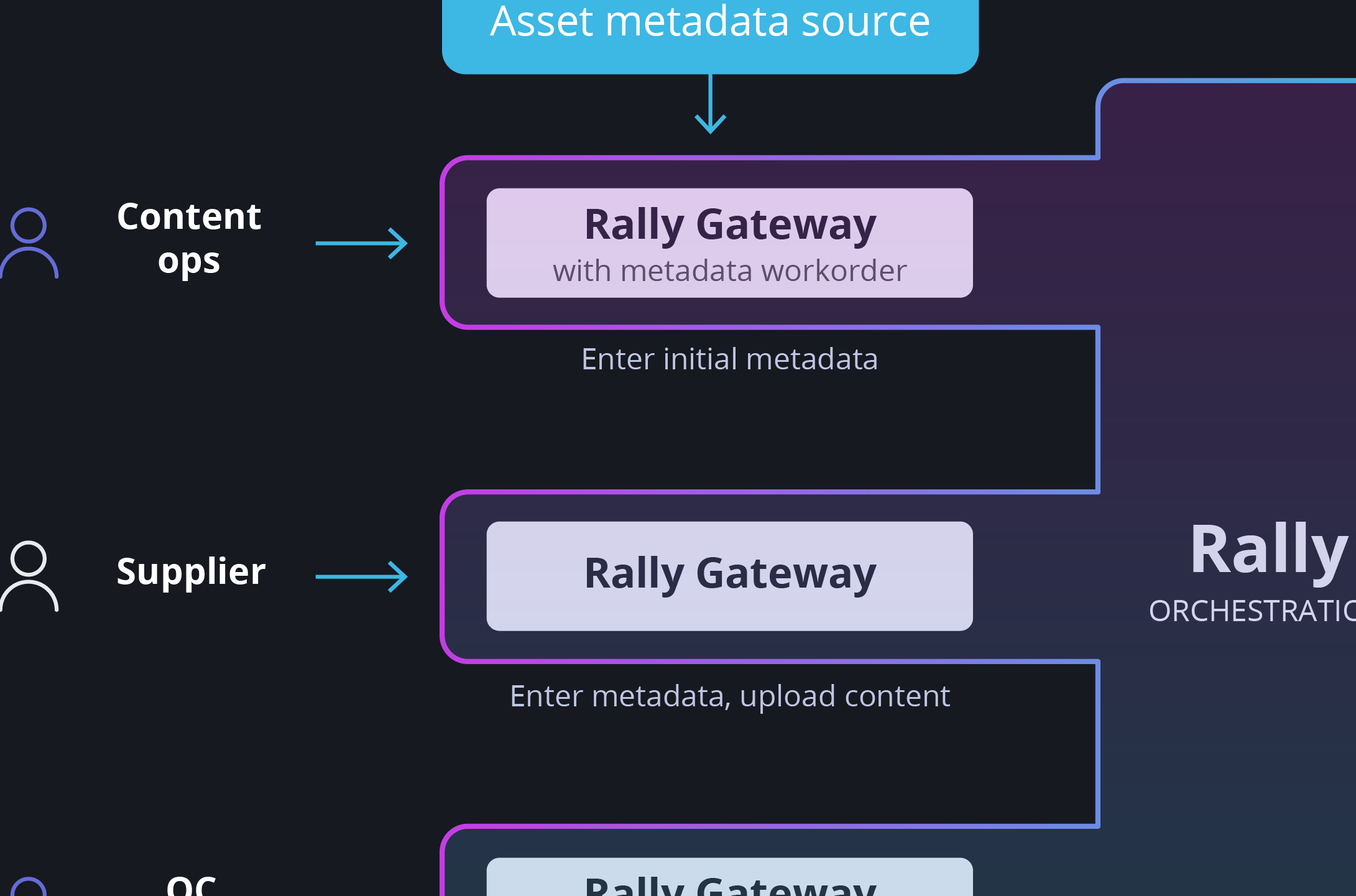
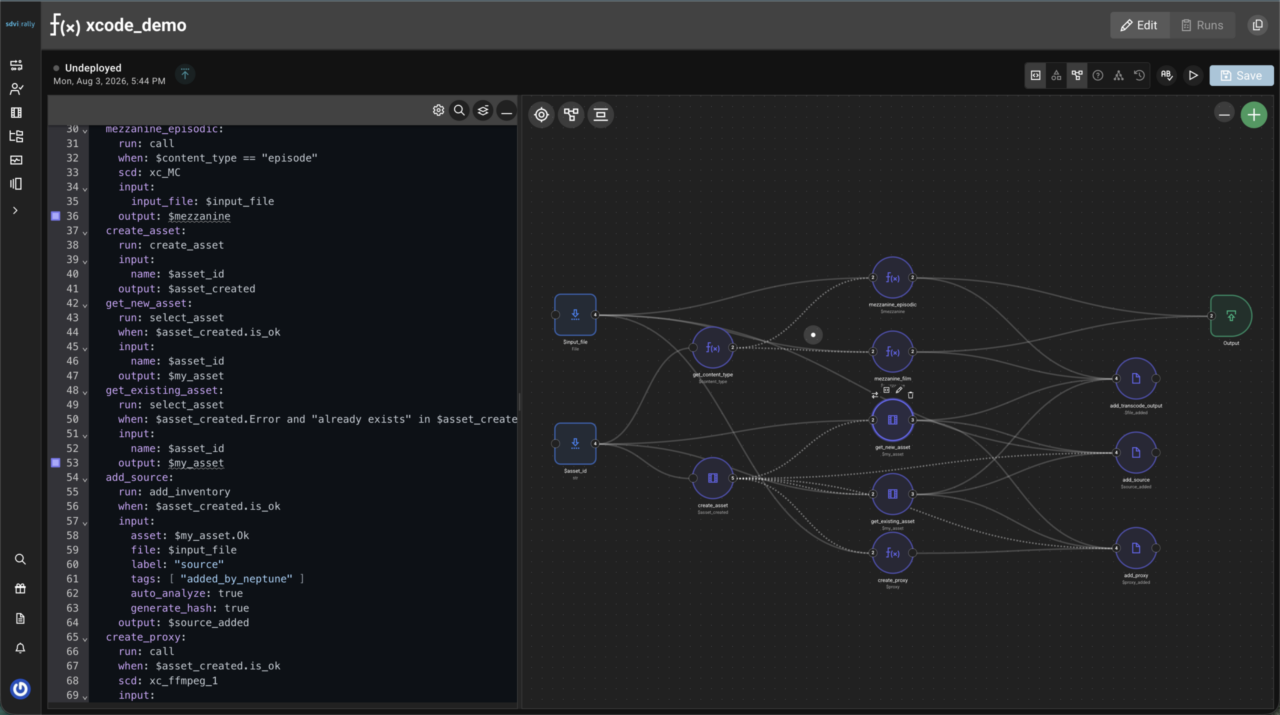
The concept is orchestrated by Rally, with the substantive work delegated to best-of-breed application services. A custom Rally Gateway portal lets an operator select a piece of content, choose any combination of nearly 60 target languages, and trigger a single supply chain. From there, Rally coordinates transcription, proxy generation, AI for both translation and automated translation QC, human review, and finalization of per-language WebVTT outputs. Accurate.Video Validate, integrated as a Rally application service, provides the timeline-aware interface where editors can validate AI output in context against the original picture and sound. Every step is a discrete supply chain operation, which means it is measurable, monitorable, and easy to swap out as better models or vendors emerge.
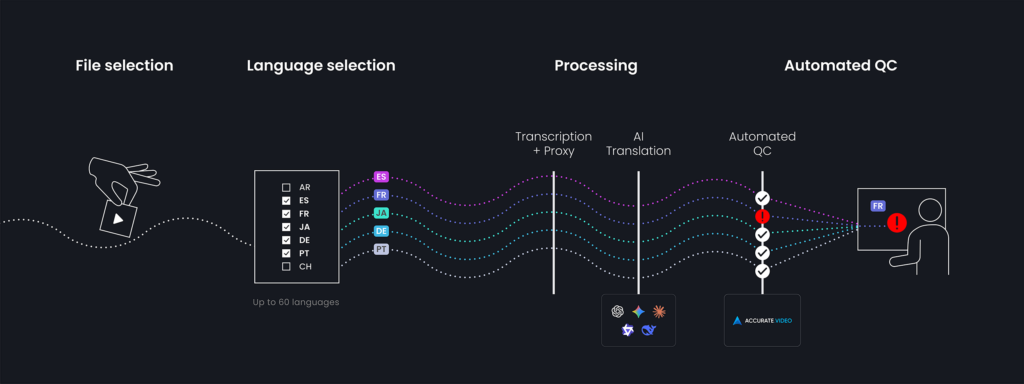
What makes the build interesting technically is the way AI is layered into the pipeline rather than dropped on top of it. The AI components are deployed as a flexible, multi-model architecture, allowing multiple providers to operate within the same supply chain. These included ChatGPT, Gemini, Claude, Qwen & Deepseek. After an AI service produces a translation, a second pass runs automated quality checks against the original and flags issues such as awkward phrasing, missing context, and terminology drift, with severity scores and time-coded markers that surface directly inside Accurate.Video Validate. The reviewer sees only the cues that need attention, each with the original line, an AI suggestion, and a one-click decision to accept, modify, or keep the original. The result is a supply chain that scales linearly with languages rather than with reviewer hours, while keeping a human on the editorial decisions that matter.
For media organizations under constant pressure to localize more content into more languages, this concept shows how Rally’s combination of orchestration, application services, and an open AI provider model lets you assemble a modern localization stack today, without locking yourself into any single model, vendor, or hand-built script.
Key takeaways
- One Rally supply chain coordinates transcription, AI translation, automated QC, and human review across nearly 60 languages.
- Google Gemini handles AI translation and Accurate.Video.Validate provides the editorial review interface, both consumed as Rally Application Services.
- Automated QC produces severity-rated, timecoded markers so reviewers only touch the cues that need attention.
- The pipeline scales by language without a proportional increase in reviewer effort, and each stage is swappable as models and vendors evolve.
—
Want to learn more about how Rally can help optimize your localization workflows? Contact us to start the conversation.