Podcasts have become a regular part of the media mix, and teams want to handle them like any other content: as something that moves through a managed, automated media supply chain, not a side project held together by spreadsheets and manual effort. The work behind each episode is well understood. Audio needs to be cleaned up and prepared for hosting platforms, someone has to write the show notes and chapter markers, and sign-off is required before anything is published. SDVI recently added new application services to the Rally Application Services Market to support podcast workflows, and we built a working example in Rally to show what it looks like when the process is fully orchestrated.
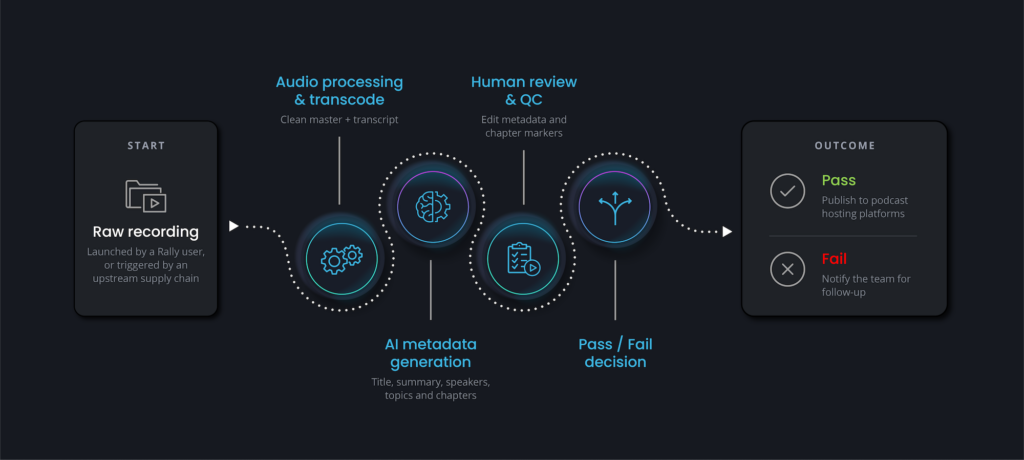
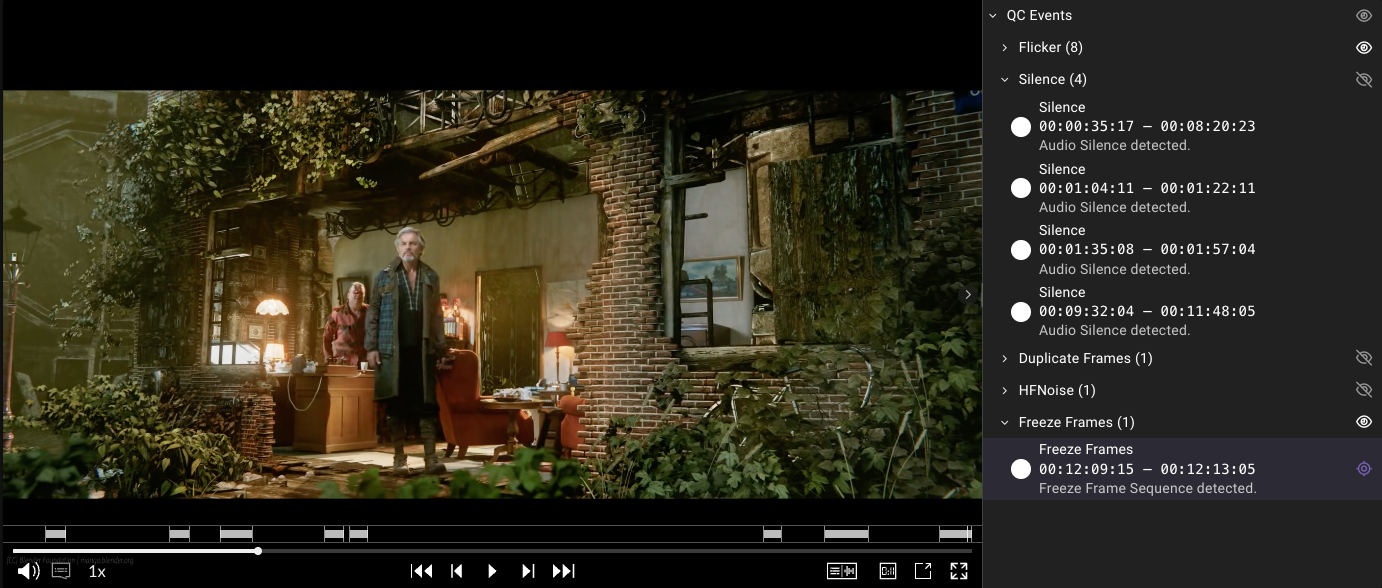
The example is simple. A raw recording is processed and transcoded for distribution. An AI model reads the transcript and drafts the episode metadata. A reviewer checks and adjusts that metadata in an audio-focused review tool. Once approved, the episode goes out to hosting platforms. In our demo, Auphonic handled audio processing, OpenAI’s ChatGPT generated the title, summary, speakers, topics, and chapters, Accurate.Video Validate provided the review workspace, and Simplecast was the publishing destination.
Each Step is a Job to be Done, Rally Orchestrates the Jobs
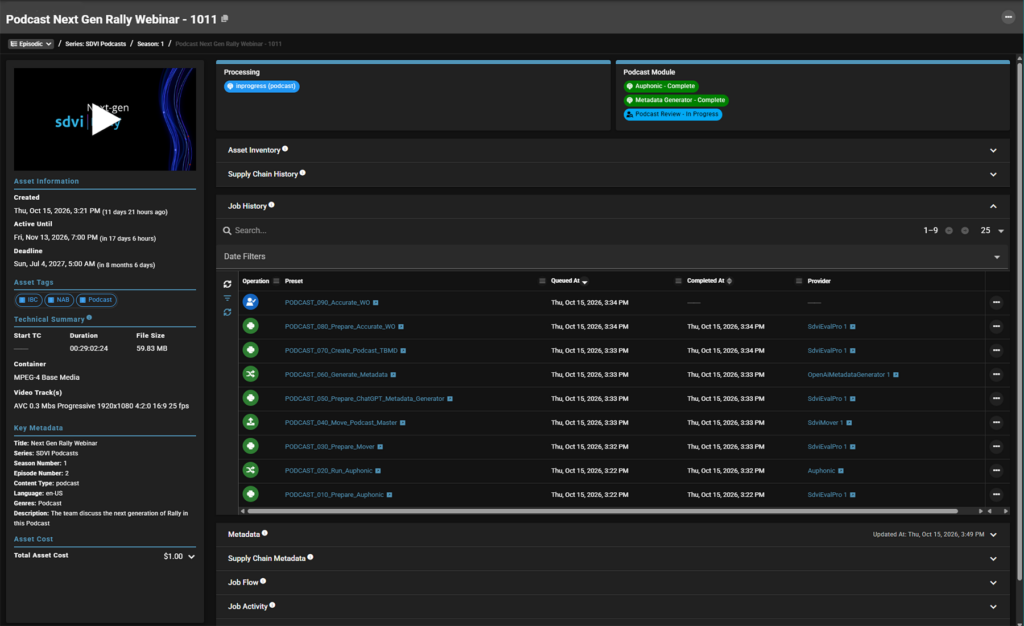
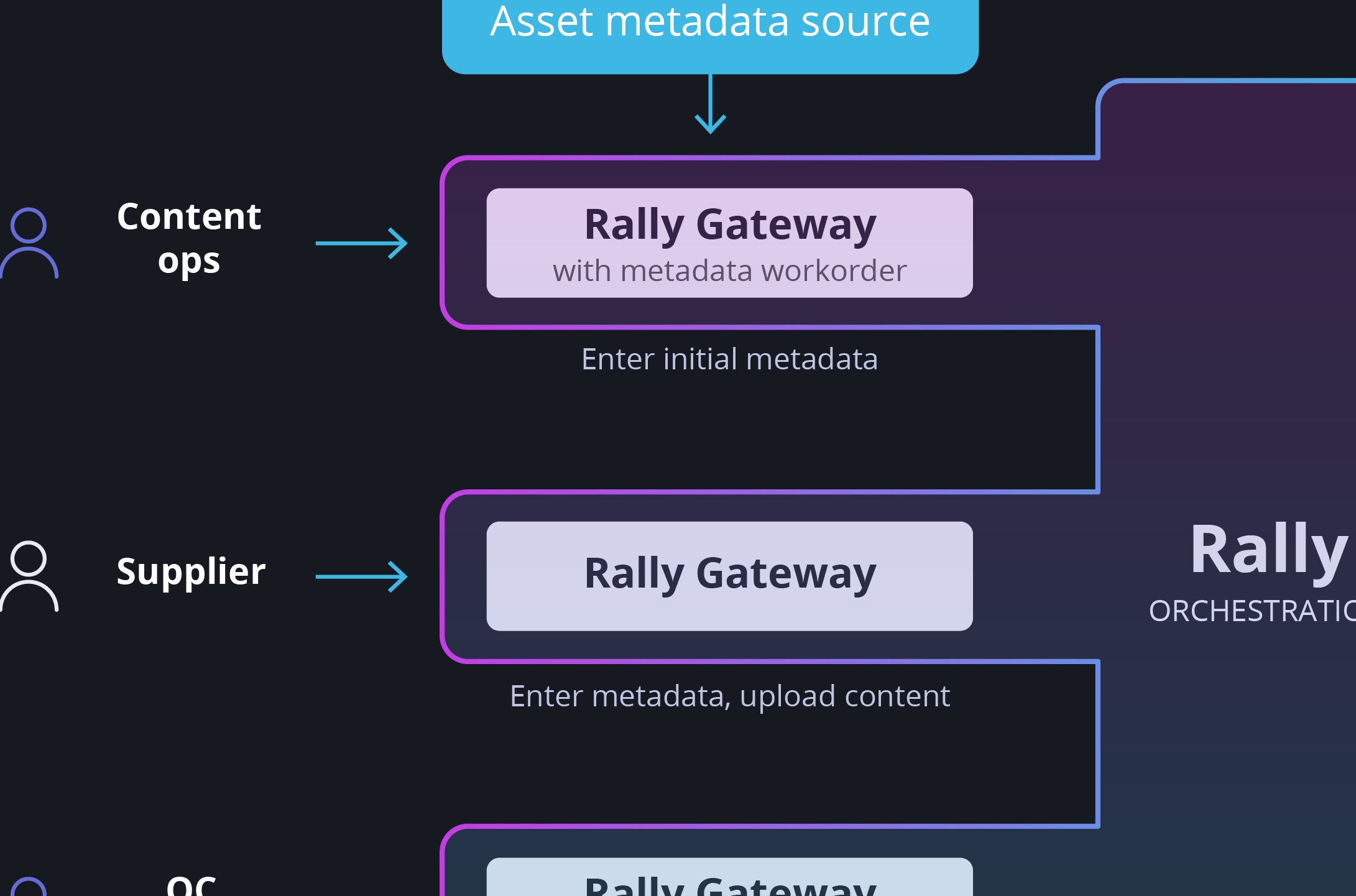
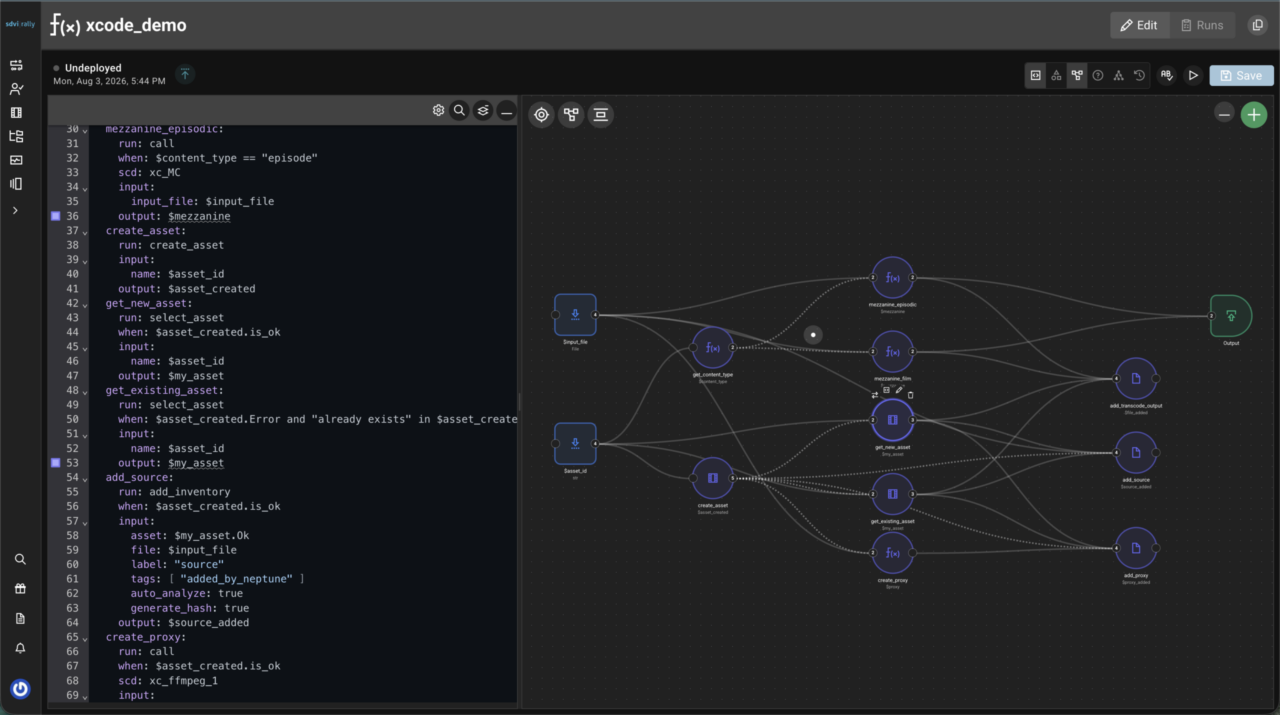
Orchestration is where the value shows up. Rally runs the whole sequence as a single supply chain. It moves content from one application service to the next, passes the transcript and metadata along with it, creates the review task for the right person at the right time, and tracks status at every step. Then it routes the outcome automatically: approved episodes go out to hosting platforms, and rejected ones go back to the team for follow-up. Nobody downloads files between tools, copies text from one window to another, or chases a colleague to find out whether an episode is ready. A user can launch the supply chain in Rally, or an upstream supply chain can trigger it, so podcasts can sit inside your wider content operation rather than beside it.
Swap the Service, Keep the Workflow
Vendor choice is the other half of the story. Every step in this workflow is defined by the job it does, not the product that does it. Audio processing and transcode, AI metadata generation, human review, and delivery are categories, and Rally treats the service in each one as interchangeable. Already have an audio tool you like? Use it. Want to move to a newer or more cost-effective AI model? Do it without rebuilding the rest of the chain, and tune the prompt to match your house style or platform requirements. New audio and AI services will keep arriving. Your workflow stays stable while the tools inside it can continue to improve.
The Human Stays in the Loop While Effort is Lowered
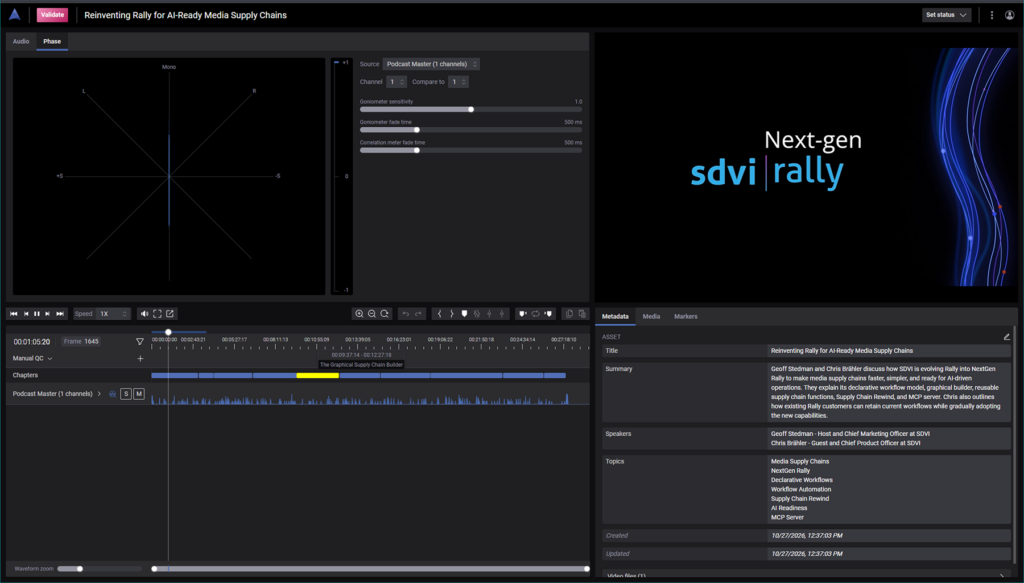
Combining automation with choice keeps people where they matter most. AI takes on the most time-consuming part of the job, turning a transcript into a full set of draft metadata and chapter markers. A person still reviews, edits, and approves, so editorial judgment stays human. The hours a producer would spend writing show notes become a short review task, every episode follows the same process with the same checks, and publishing happens as soon as an episode is approved. Because the same supply chain runs for every episode of every show, the effort per episode stays low as your catalog grows.
This approach extends well beyond podcasts. Process, enrich with AI, review, deliver: that pattern shows up across media operations, and Rally lets you build it from the application services that fit your business today and still change them tomorrow. If you’re planning a podcast workflow or want to see how this pattern fits your own operation, reach out to the SDVI Solutions team.
Key Takeaways
- Rally orchestrates the full podcast workflow, from raw recording to published episode, as one automated supply chain with no manual handoffs between tools.
- Each step is defined by the job it does, so the audio processing service, AI model, review tool, and delivery destination can each be swapped without rebuilding the workflow.
- AI drafts the episode metadata and chapters, and a reviewer approves or rejects with a single decision that Rally routes automatically.
- The same pattern of process, enrich, review, and deliver applies to content well beyond podcasts.