How an agile media supply chain prepares today’s franchises for day and date delivery across versions, formats, outlets, markets, and more
For most of television and film history, a franchise’s format was fixed at conception. A show was a show. A movie was a movie. Anything else — a game, a comic, a theme park ride — arrived years later, often built by a different studio, under a different budget, on a different timeline. Today, however, tentpole entertainment properties increasingly are released globally in multiple formats, through a variety of outlets, all at once. Drawing on the same characters, sets, and story world, a franchise might exist not only as a movie, but also within popular video games, immersive virtual and in-person experiences, television shows, and social platforms, and in the form of billboard-topping tracks and merchandise. Modern audiences have come to expect this.
Netflix’s surprise hit “KPop Demon Hunters” showed how quickly audience demand can outpace readiness for this everywhere, all at once model. The movie’s success created opportunities across music, gaming, and merchandise, but it took some time to meet and capitalize on those opportunities. This gap revealed the importance of being able to plan for multiformat releases and being able to respond quickly when an unexpected hit creates demand for more.
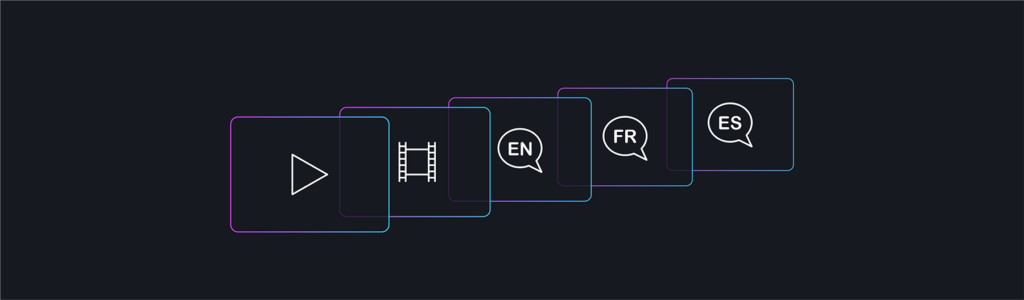
By making content simultaneously available across markets, with different formats ready in the same launch window, a media company can capitalize on the attention its marketing generates globally. If, for example, a viewer discovers a new show through social media, they should be able to watch it while they’re interested. (Buzz is one of those things that only happens once in a while, and only happens once!) This day and date approach requires coordinating all the work behind the release: language versions, regional edits, different formats, approvals, and deliveries. That’s where media supply chain management shines.
The Work Behind Borderless Releases
 Every cross-platform launch depends on getting the right content, in the right format, to the right platform, on the right day, without losing track of what changed along the way.
That’s no small task. A single title today routinely generates dozens of individual deliverables, each with its own spec, aspect ratio, compliance requirement, and deadline, and these deliverables are spread across streaming platforms, broadcast, social channels, and gaming engines, often across international markets. When that many versions of the same content are being managed without media supply chain management — incorporating orchestration, automation, schedule management, and task prioritization — version control, delivery tracking, and localization can become bottlenecks, or even failure points.
Version control tends to be the primary problem. When variations are tracked across shared drives, spreadsheets, and email threads instead of a single source of truth, teams lose certainty about which file is current. Compliance edits get applied to the wrong version. Outdated masters ship to platforms that needed the corrected cut.
Delivery tracking typically breaks down next. Coordinating simultaneous deliveries with staggered deadlines across many destinations is a logistics problem, not a creative one, and it is easy to get wrong at scale. It is entirely possible to have every file that a launch needs and still send several of them to the wrong place.
Localization likewise becomes a bigger challenge when more files are being managed within a compressed time frame. Subtitling, dubbing, and regional compliance introduce dependent versions that cascade from a single upstream approval. A delay at the top of that chain shows up as a missed deadline everywhere downstream.
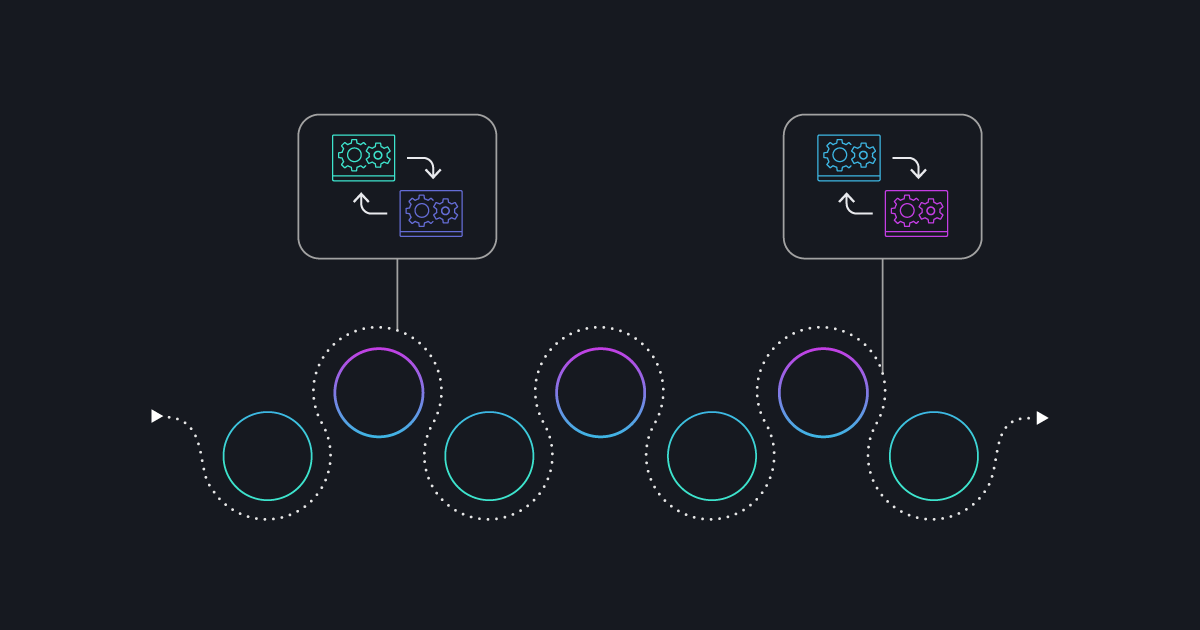
 Rally helps teams manage these dependencies by organizing the work around the release schedule. Work orders coordinate the processing required for each version, while schedule management and task prioritization help teams focus on what needs to happen to meet delivery dates. With one place to see how the required assets are progressing, teams can identify where work needs attention and address delays before they affect the launch. Whether you need multiple language versions, regional edits, or deliverables for different platforms, you can manage that work toward a shared deadline.
A franchise designed to launch across film, gaming, social, and immersive formats on Day 1 needs its content supply chain to move at the same pace as its creative ambition, across far more destinations than a traditional broadcast or single-platform streaming release ever required. Rally empowers media organizations to meet these challenges.
Doing More With Rally
Borderless entertainment isn’t a future state the industry is building toward. It’s already here, and with Rally, so is the infrastructure to run it.
Rally gives media organizations the operational foundation for borderless releases: automated processing and QC across every deliverable, resource provisioning that scales to meet a hundred-format launch as easily as a single broadcast window, and a single source of truth for where every version of every piece of content stands, at every moment.
 A Rally-managed supply chain can be multi-pronged from the beginning, allowing different types of content, derivative forms of content, and different versions of the same content to be created, orchestrated, and managed within a tight window. This allows media companies to boost discoverability, maximize viewership, and increase revenue associated with a franchise or title. And because a multi-format, day-one launch can become a routine operation rather than a scramble, organizations have the capacity to apply this multi-pronged model to more content for more audiences.
If you think of Rally primarily as a platform for traditional media workflows, consider what else it could help you do. Its open architecture allows new applications to be added as your needs evolve, extending the same orchestration and schedule management to other forms of content. In fact, you may already have the foundation to support more formats, reach more audiences, and say “yes” to opportunities you hadn’t considered.
—
What more could you be doing with Rally? Talk to our team about taking your content across more formats and markets — and making borderless releases part of your everyday operations.