The Impact Is Real: Takeaways From the London Media Supply Chain Council
The question organizations are now asking is: how quickly can we take advantage of a content opportunity?
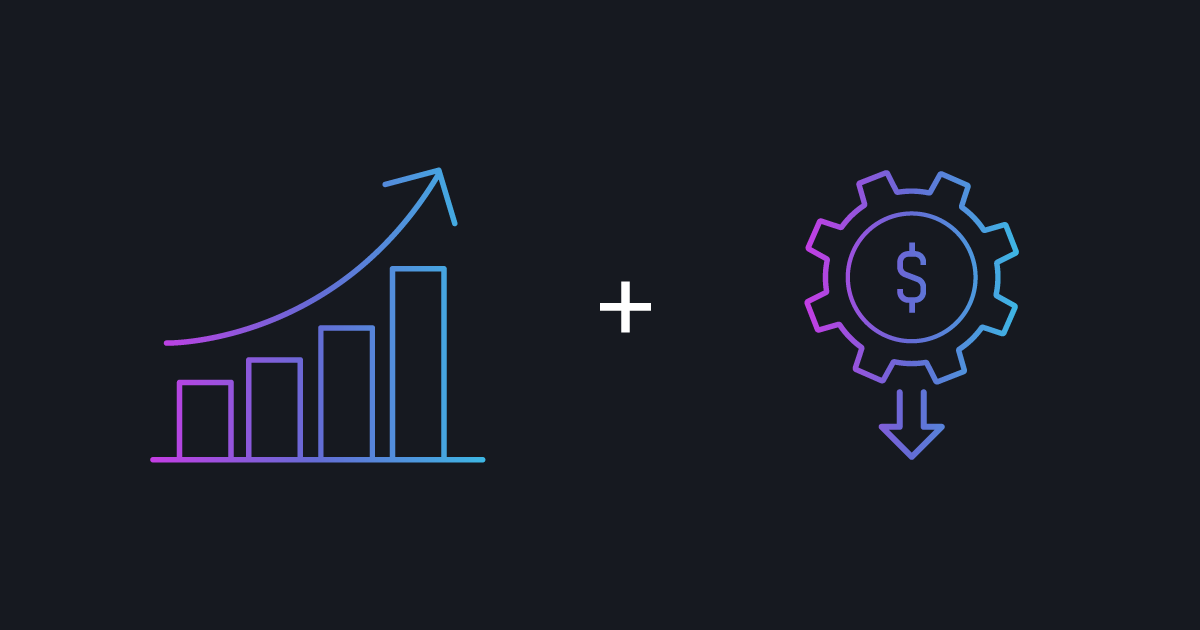
At NAB 2026, we saw an intensified focus on both the bottom line and the top line — lowering cost per asset and driving higher revenues. If you’re thinking about modernizing your media supply chain, start by asking how it will reduce costs. But don’t stop there. Supply chain transformation can give your operations team the flexibility and capacity to say “yes” more often — and your business the ability to do more.
With all of the discussion in the industry about the cost of software, cloud usage, and whether it’s becoming easier (or cheaper) to build and run things yourself, we look at the full cost of running a media supply chain — ensuring that it is always an enabler, never a bottleneck.
Rally brings value in terms of freedom to choose, freedom to experiment, and the ability to apply the right tool for the job, for every job. But what is happening "under the hood" to ensure that the right amount of infrastructure is always available and always right-sized for the demand?
When it comes to today's media supply chain, maintaining the status quo across media operations can wind up costing more than a strategic shift toward cloud-enabled orchestration and automation. You might even know you need to make a change, but, when it comes to making the business case, you're unsure what data you need and how to go about gathering it. Turns out, the strongest business cases start with a surprisingly simple set of measurements. In the SDVI blog, Geoff Stedman provides a framework that can help you get started.
In today’s highly competitive and fast-changing marketplace, maintaining the status quo could end up costing more.
If you’re facing a technology refresh right now, maybe you should be asking yourself a new question: Is the change your business needs just about the assets, or is it really about the work?
How do things like geopolitical tensions, regional data-sovereignty, occasional technical glitches, and worries about vendor lock-in impact your cloud calculus?
The media industry today is facing more change and uncertainty than at any point in recent memory. How can we move from simply coping with change to actually leveraging it as a competitive advantage?
Every day, media companies face a major challenge: delivering content to a growing number of endpoints, each with its own distinctive requirements. Standardization isn't feasible, so how do we “automate the impossible”? By extending automation to content packaging and delivery and broadening the scope of the media supply chain.