Every year, IBC produces a familiar ritual: a wave of product announcements, buzz about the tech likely to define the next 12 months, and a slower, quieter conversation happening underneath it all.
This year, AI dominated the show announcements. Nearly every vendor was talking about AI-enabled tools, an MCP server, or AI integration between applications. It seems clear that AI will soon operate around everything media organizations do: agents at the top orchestrating work, specialized tools at the bottom handling tasks such as analysis and localization, and integrations connecting everything in between. As a result, it has the potential to affect virtually all the content media organizations process and deliver. (In my pre-IBC post, I looked at the upside of that shift: how AI can help turn media operations from a cost center into an opportunity engine.)
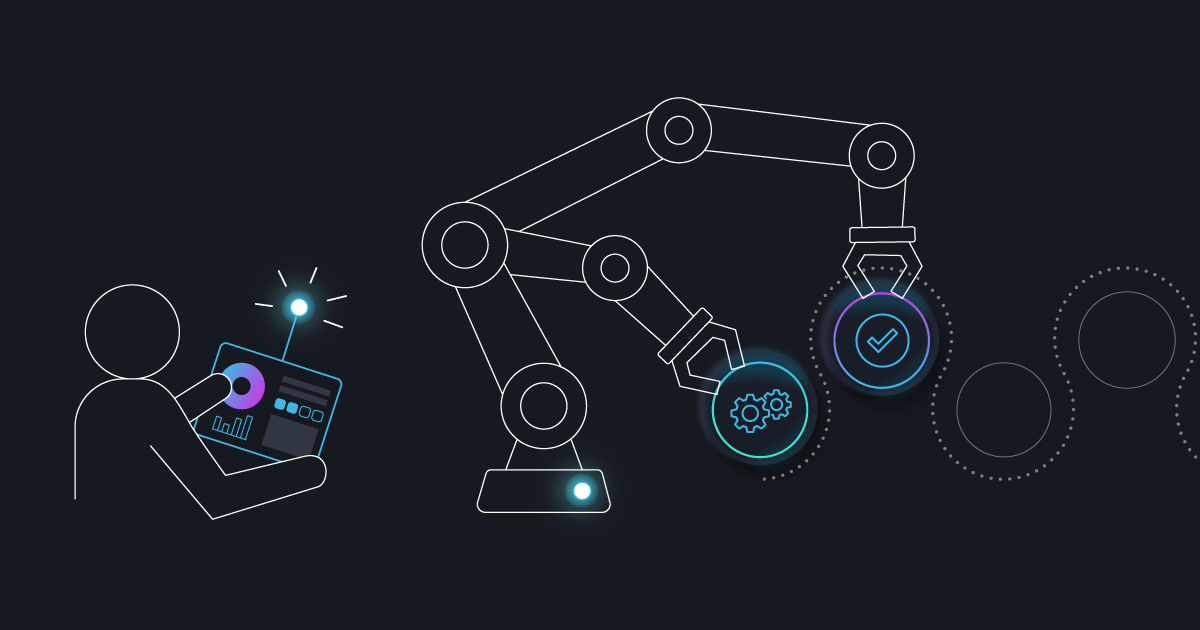
That brings me to the quieter conversation. Trust, in the form of security, authenticity, and provenance, got real attention at IBC2026, and it boils down to one concern: If AI is going to be everywhere, how do you stay in control? That concern raises two further questions that are really two sides of the same coin. Can you trust the content moving through your supply chain? And can you trust the systems that are increasingly moving it for you?
 Can You Trust the Content?
Media organizations want to be sure that as content moves through the supply chain, with countless changes to format and technical specifications, it remains true to the original story and creative intent. The businesses and people on the receiving end care, too. They want to know where content came from, whether it’s real, and whether it has been altered or created by a machine. New EU AI Act transparency requirements reflect the same priorities, with obligations covering the identification or disclosure of certain AI-generated and manipulated content.
As a result, “Where did this content come from, and what happened to it?” is becoming a question every media organization must be able to answer on demand. With AI built into the supply chain, that means accounting for every step and every change: which applications processed the content, what each one did, whether AI was involved, and where a person reviewed or approved the work.
A media supply chain management platform such as Rally solves for this challenge. Because Rally manages the execution of all processing on content, it’s the system of record for what has happened to each asset from ingest through delivery — every version, in every format, for every destination. It shows which tools acted on an asset, what they did, who or what initiated the work, and what quality control found. While Rally doesn’t certify that content is authentic, it does give content owners a complete, transparent record of how their content was handled.
 Can You Trust the Systems Moving It?
Trusting the systems that move content comes down to two things: being able to see what they do, and knowing they’re secure.
As AI tools and agents take on more of the work, they increasingly hand tasks off to one another automatically. That can make media operations far more efficient and agile, but it also raises the possibility of agents acting outside their intended scope. No organization wants its AI tools doing things no one knows about.
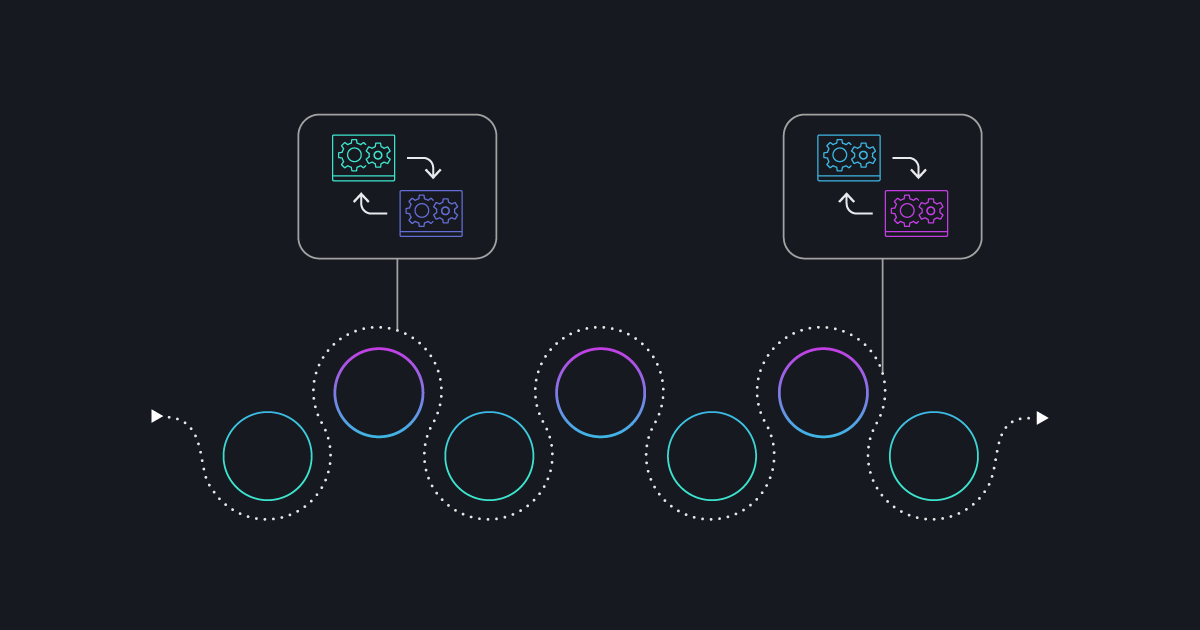
Here again, the answer starts with knowing what actually happened. Because Rally manages the execution of processing across the supply chain, work that runs through it— whether initiated by a person, a tool, or an agent — is captured. As Rally users build agentic environments that reason across scheduling, rights, title, and contract systems, all of which describe what’s supposed to happen, the platform itself can confirm what actually did. And leveraging Rally’s new MCP server, agents now can query Rally directly for that information.
 Trusting the systems also means trusting that they’re secure. When agents hand off work, each step needs access to media, metadata, credentials, and compute, and each access point is a potential weak spot. No platform is impenetrable, but what we at SDVI can promise is vigilance. We constantly probe Rally using the latest available tools, including AI tools, to find and fix potential weaknesses. Independent security firms test the platform regularly. On occasion, we’ve delayed feature work on our roadmap because security work took priority, and we’d make that call again.
Two Sides of the Same Coin
Content provenance and pipeline security can look like separate problems, but they share the same underlying gap: a lack of visibility and control over what actually happens between ingest and delivery. Trusting the content depends on knowing what the systems did to it. Trusting the systems depends on seeing what they’re doing and knowing they’re secure. Both are far easier to address when visibility is built into how content moves through the supply chain, rather than bolted on after the fact.
If last year’s IBC was about proving AI could do more inside the media supply chain, this year’s show was tuned to the challenge of seeing, verifying, and controlling what happens once it does. Organizations that embrace AI while maintaining full visibility and control will be positioned to deliver content they can stand behind, and keep the trust of the partners and audiences who rely on it.
If you want a platform that helps you maintain — and even increase — visibility into your content from the moment it arrives to the moment it’s delivered, let’s talk. The more concerned you are about losing control of your content in an AI world, the more reason to get in touch and see how Rally can help you manage the AI tools you’re using.